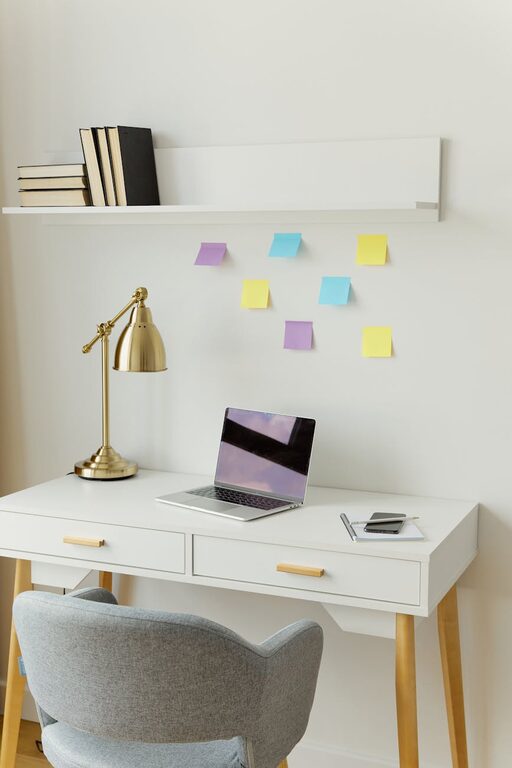
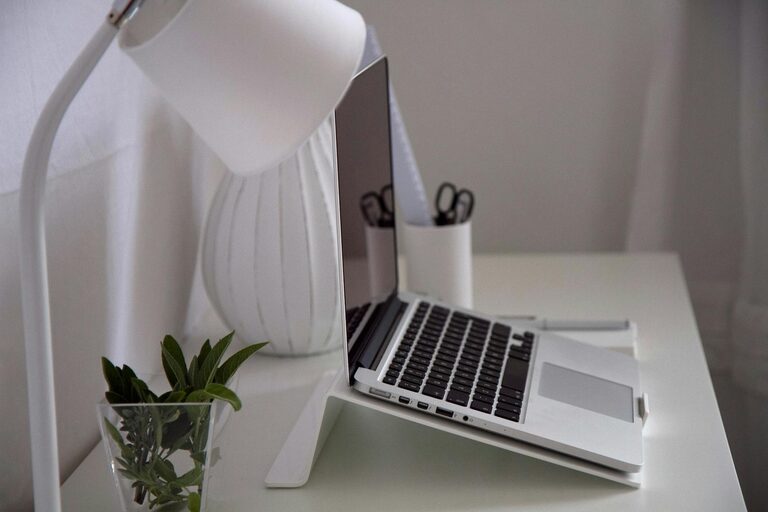
Creating a well-organized home office can significantly improve your productivity and reduce the stress of working from home. A tidy, functional workspace helps you stay focused, manage your time better, and feel more motivated throughout the day. If your work area is currently cluttered or disorganized, don’t worry—this post will guide you through simple tips to transform your home office into a productive haven.
Why Organizing Your Home Office Matters
Before diving into tips, let’s understand why organization is essential for productivity. An orderly workspace:
– Minimizes distractions and mental clutter
– Saves time by reducing the need to search for items
– Creates a professional atmosphere for virtual meetings
– Enhances your workflow and efficiency
– Boosts motivation to work during set hours
Now let’s explore practical strategies to organize your home office space effectively.
1. Choose the Right Location
Your home office location influences how well you can maintain organization and focus.
– Pick a quiet spot: Select an area with minimal noise and interruptions.
– Ensure good lighting: Natural light is ideal, but a quality desk lamp works well too.
– Space for essentials: Make sure there’s enough room for your desk, chair, and storage.
Designate this spot exclusively for work to create a physical boundary between work and relaxation.
2. Declutter Your Desk
Your desk is the heart of your home office. Keeping it clutter-free helps you concentrate.
– Limit desk items: Only keep daily essentials like a computer, notepad, and pen holder on your desk.
– Use organizers: Desktop trays, cable clips, and drawer dividers can keep supplies tidy.
– Clear it daily: At the end of each day, tidy your desk to start fresh tomorrow.
A clear desk encourages clearer thinking.
3. Utilize Smart Storage Solutions
Storage plays a big role in maintaining order.
– Filing systems: Use filing cabinets or boxes for documents and receipts. Label them clearly.
– Shelves and bookcases: Store books, binders, and equipment off your desk.
– Drawers and bins: Keep smaller items like batteries, cables, or stationery in designated containers.
Regularly review what you actually need to avoid accumulating unnecessary items.
4. Organize Digital Files
Physical organization goes hand-in-hand with digital tidiness.
– Create folders: Categorize files by project, date, or type.
– Use cloud storage: Back up important documents to services like Google Drive or Dropbox.
– Delete regularly: Remove outdated or duplicate files to keep your system efficient.
A clean digital workspace enhances your productivity and workflow.
5. Manage Cables and Electronics
Electronic devices and cables can quickly become tangled and messy.
– Cable organizers: Velcro strips, clips, or cable boxes keep cords neat and prevent tangling.
– Label cables: This makes it easier to identify what connects where.
– Minimize devices: Only keep plugged-in devices you use regularly at your desk.
Proper management prevents frustration and distractions caused by messy cords.
6. Personalize Mindfully
Adding personal touches can increase comfort and motivation, but keep it balanced.
– Add greenery: Small potted plants can freshen up the space and promote calmness.
– Include photos: Family or inspiring images can boost morale.
– Limit clutter: Avoid too many decorative items that take up workspace or distract you.
Personalization should support your productivity, not hinder it.
7. Create a Routine to Maintain Organization
Maintaining order is ongoing. Build habits that support cleanliness.
– Set a weekly cleanup: Spend 10-20 minutes tidying your desk and office area.
– Track office supplies: Keep an inventory to avoid overbuying or running out.
– Organize at the end of the day: Make it a habit to clear your workspace before finishing work.
Consistent upkeep prevents clutter buildup over time.
8. Invest in Comfortable and Functional Furniture
A well-organized office includes ergonomic furniture that promotes health and efficiency.
– Ergonomic chair: Supports proper posture and reduces fatigue.
– Adjustable desk: Allows you to switch between sitting and standing positions.
– Proper desk size: Enough surface area to accommodate your work tools without crowding.
Comfortable furniture helps you focus and work longer with less discomfort.
Conclusion
Organizing your home office doesn’t have to be overwhelming. By choosing the right location, decluttering your desk, using smart storage, managing cables, and maintaining a digital filing system, you can create an inviting and efficient workspace. Adding personalized touches and committing to regular upkeep will keep your office productive for the long term. Take small steps today and enjoy the benefits of a clutter-free, organized home office tomorrow!